
GardenCup Reviews: Is It Actually Healthy? A Nutritionist-Backed Look at What’s Really in the Cup (2026)

Last Updated | Reading Time: ~9 minutes | Rating: 4.8/5 ⭐⭐⭐⭐⭐ | KeyWork: Gardencup Reviews
📋 Table of Contents
- What a Registered Dietitian Says About Ready-to-Eat Salads
- The Real Reason Healthy Eating Fails — And What GardenCup Solves
- What Is GardenCup? Beyond the Marketing
- Is GardenCup Actually Healthy? The Honest Nutritional Breakdown
- Do Prepared Salad Cups Lose Nutrition? The Science Explained Simply
- Real Experience: What Eating GardenCup for 3 Weeks Actually Looks Like
- What GardenCup Does Really Well
- Where GardenCup Falls Short
- GardenCup vs. The Alternatives
- Who Should Try GardenCup
- Who Should Skip GardenCup
- Final Verdict
- FAQ
“In clinical practice, one of the most consistent patterns I see is this: people don't fail at healthy eating because they don't know what healthy eating looks like. They fail because the healthy option requires significantly more effort than the convenient one — and when willpower runs out, convenience wins every time. The most impactful nutrition intervention is often not the perfect diet plan. It's reducing the distance between a person and a nutritious meal. When a balanced lunch takes thirty seconds instead of thirty minutes, eating well stops being a daily act of discipline and starts being a default. Prepared meal services, when built around real ingredients and honest portion sizing, can genuinely change that equation for the people who need it most.”
— Dr. Christopher Gardner, PhD
Professor of Medicine at Stanford University, Director of Nutrition Studies at the Stanford Prevention Research Center, and lead researcher on the landmark DIETFITS randomized controlled trial comparing major dietary patterns
The Real Reason Healthy Eating Fails — And What GardenCup Solves
Let me describe a Tuesday that most people reading this will recognize.
You woke up with good intentions. You planned to eat well today. By 12:30pm, you're between back-to-back calls, you haven't prepped anything, the salad greens you bought three days ago are looking questionable, and the easiest decision is opening DoorDash. You order something that felt “not too bad” on the menu but arrives for $18 and leaves you feeling heavy for the rest of the afternoon.
This isn't a willpower failure. This is a friction problem. The distance between you and a healthy lunch was too large — too many steps, too many decisions, too much time you didn't have.
This is the exact problem GardenCup was built to solve. Not by being perfect food. Not by being the most nutritionally dense meal ever assembled. But by being a genuinely healthy lunch that requires almost zero distance between “hungry” and “eating well.”
Understanding that problem — and whether GardenCup actually solves it for you — is more useful than any single nutritional data point in this review.
What Is GardenCup? Beyond the Marketing
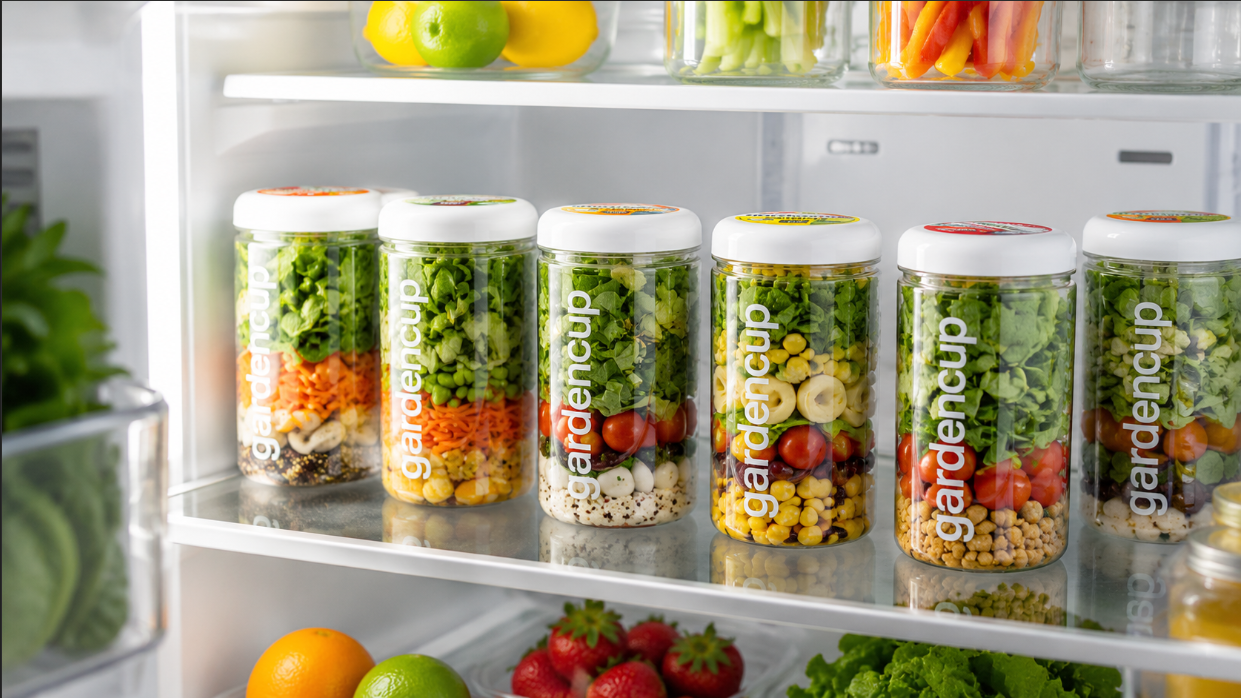
GardenCup is a ready-to-eat meal service that delivers pre-assembled salad cups directly to your door. Each cup arrives fully built — greens, proteins, grains, toppings, and dressing already portioned and layered — so that eating a genuinely nutritious lunch requires nothing more than opening a lid and mixing.
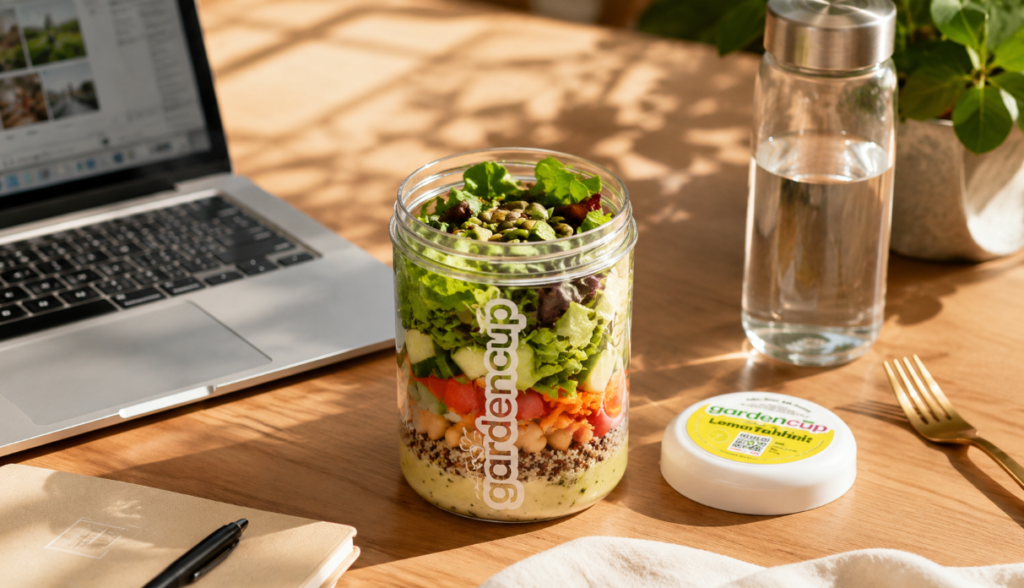
The engineering behind the cups matters more than it sounds. Most pre-packed salads fail on a basic problem: the dressing makes the greens soggy before you eat. GardenCup's layered design solves that with a simple but effective approach — dressing sits at the bottom, delicate greens sit on top, and you either shake the sealed cup to mix or pour and toss when you're ready. The result is salad that actually holds up over several days rather than wilting into disappointment overnight.
The menu rotates across categories covering different protein sources, calorie ranges, and flavor profiles — grilled chicken, steak, legumes, grains, varied dressings — giving enough variety to avoid the salad fatigue that kills most healthy eating routines within two weeks.
What GardenCup isn't: a meal kit (no cooking involved), a diet program (no prescribed calorie counting), or a juice cleanse (actual food with actual macros). It's a grab-and-go lunch service with better ingredients than the alternatives you'd otherwise reach for when you're busy and hungry.
What If Healthy Lunch Took 30 Seconds?
GardenCup removes every excuse between you and eating well. Fresh greens, real protein, pre-portioned — waiting in your fridge for the moment hunger hits.
Is GardenCup Actually Healthy? The Honest Nutritional Breakdown
The short answer: yes, meaningfully so — particularly when compared against the realistic alternative lunches that most busy Americans actually eat rather than the idealized homemade salad they occasionally imagine making.
But “healthy” is a word that deserves more precision than most food marketing gives it, so let me break this down honestly.
Vegetables and fiber: GardenCup meals are built around fresh vegetables — dark leafy greens, colorful produce, fiber-rich ingredients — which puts them ahead of the vast majority of convenient lunch options. Fiber is one of the most underconsumed nutrients in the American diet, and consistently eating high-fiber lunches has real downstream effects on satiety, gut health, and blood sugar stability.
Protein: The quality and quantity varies by cup. Meals with grilled chicken, steak, or legumes as a featured ingredient deliver meaningful protein — enough to support 3–4 hours of satiety for most people. Lighter, produce-focused cups are better treated as snacks or lighter meals rather than full lunch replacements for people with higher energy demands.
Calories and portion control: Pre-portioned meals remove one of the biggest hidden calorie risks in self-assembled food: serving size drift. When you build your own salad, it's easy to unconsciously double the cheese, add extra dressing, or keep piling on toppings. GardenCup's fixed portions mean the calorie count you see is the calorie count you eat — which is a genuine practical advantage for anyone managing their intake.
Dressings: This is the area where attention is warranted. Dressings can meaningfully alter a salad's sugar, sodium, and calorie profile. GardenCup's dressings are generally more balanced than typical fast-casual restaurant options, but buyers watching sodium or sugar specifically should check the nutritional details for their chosen cups.
The honest comparison that matters: GardenCup vs. a perfectly fresh homemade salad made from scratch — homemade probably wins on marginal nutritional grounds. GardenCup vs. what most people actually eat for lunch on busy Tuesdays — GardenCup wins significantly and consistently. The right comparison is the real comparison.
Do Prepared Salad Cups Lose Nutrition? The Science Explained Simply
This is the question I get asked most about GardenCup — and the honest answer is more reassuring than wellness anxiety culture would have you believe.
Yes, some nutrient loss occurs when vegetables are cut and refrigerated. Vitamin C is the most vulnerable — it's water-soluble and oxidizes after exposure to air. Some antioxidants degrade similarly. This is real and worth acknowledging.
No, it does not make the food nutritionally irrelevant. Fiber remains completely intact. Minerals are stable. Most B vitamins are well-preserved. Many carotenoids (the compounds that give vegetables their color and much of their antioxidant activity) are actually more bioavailable after light breakdown of cell walls — meaning refrigerated vegetables can be easier for your body to extract nutrients from than raw, freshly cut ones.
The most important reframe: nutritional perfection versus nutritional consistency. A slightly less-than-peak salad eaten every day for three weeks delivers dramatically more health benefit than a theoretically perfect salad that never gets made because life got in the way. The research on dietary outcomes strongly supports this — adherence over time beats optimization on any given day.
Practically speaking: eat GardenCup cups earlier in the week when possible for peak freshness. The layered design genuinely helps preserve texture and crispness longer than flat-packed alternatives. And if you're eating them by day three or four — still well within the nutritional value range that makes this a healthy choice.
Real Experience: What Eating GardenCup for 3 Weeks Actually Looks Like
Week One: The Novelty Phase — Getting Past It Quickly
I'll be honest: the first week of any new food service has a built-in enthusiasm bias. Everything feels exciting because it's new. I deliberately tried to resist that and focus on practical reality instead. What I noticed in week one that actually mattered: the cups arrived looking genuinely fresh — no wilted greens, no soggy dressing, no grocery-store-salad-kit smell. The layered design worked as advertised. I had lunch on my desk within two minutes of opening the fridge. On a day where I had meetings from 9am to 1pm with no break, that mattered more than any flavor profile.
Week Two: The Real Test — Does the Habit Hold?
Week two is where most food habits reveal whether they're real or just novelty. For GardenCup, the habit held — and not because every salad was thrilling. It held because opening the fridge and seeing lunch already waiting removed the decision I usually fail. I didn't think about whether I felt like making something. I didn't calculate whether I had the right ingredients. I just opened the cup. By the end of week two, I noticed something more significant: my afternoon energy was steadier than usual. Less of the 2:30pm fog that typically follows a heavier, saltier takeout lunch.
Week Three: The Sustainability Question — What I Kept and What I Changed
By week three I had clear opinions. The protein-forward cups — particularly anything with grilled chicken or steak — were genuinely satisfying for a full lunch. The lighter produce cups worked better as mid-morning or mid-afternoon additions rather than standalone lunches for someone active. I also noticed which days GardenCup prevented a bad food decision: travel days, double-meeting Wednesdays, days when cooking dinner had been late. Those were the moments where having lunch already sorted was worth far more than any per-cup price debate. That's the clearest measure of value I can offer: how often does it prevent the worse alternative?
What GardenCup Does Really Well
It removes the decision entirely — and that's the point.
Decision fatigue is real. By the time most people hit lunch on a stressful workday, the mental energy available for food choices is already depleted. GardenCup's value isn't that it makes healthy eating easy to want — it's that it makes healthy eating easy to do even when you don't particularly want to think about it. That's a harder and more valuable product to build than people give it credit for.
The layered design genuinely preserves freshness better than alternatives.
This isn't marketing. The physical separation of dressing from greens means the salad you eat on day three tastes noticeably better than a standard pre-made grocery store salad eaten on day one. The engineering matters for the experience.
It eliminates food waste in a way homemade prep never quite achieves.
The number of vegetable bunches bought with good intentions and quietly composted by Thursday is one of the most underacknowledged costs of “trying to eat healthy.” GardenCup's pre-portioned format means you only have what you eat. No wilting spinach, no half-used red onion, no dressing that's mostly used except the bottom inch. For people who've wasted significant money on groceries that became guilt, this has real financial value.
It's genuinely better than the realistic alternative for most busy people.
Not better than the idealized alternative. Better than the real one. Most GardenCup buyers aren't choosing between it and perfectly meal-prepped lunches. They're choosing between it and DoorDash, Chipotle bowls, office vending machines, or just skipping lunch entirely. Against those competitors, GardenCup wins on almost every nutritional metric that matters.
The portion-controlled format supports mindful eating without requiring tracking.
Pre-portioned meals remove the most common cause of unintended overeating — the open container problem, where you keep serving yourself until you feel done rather than until the portion is right. For people managing their calorie intake without wanting to obsessively track every gram, this passive portion control is a genuine health benefit.
Where GardenCup Falls Short
Not every cup is equally filling — and protein matters here.
The cups vary meaningfully in their satiety potential. A cup built around grilled chicken, quinoa, and legumes will carry most adults through four solid hours. A lighter produce-forward cup may leave someone with higher calorie needs reaching for something else at 2pm. This isn't a product failure — it's a menu literacy issue. Learn which cups work for your appetite level and don't judge the whole service by the lighter options.
The price is real and needs honest acknowledgment.
GardenCup is not cheap compared to homemade food. It's reasonably priced compared to restaurant or delivery lunches. The financial framing that makes GardenCup feel worth it: compare the per-meal cost to your actual lunch spend — not to the theoretical cost of cooking from scratch. For most people who use food delivery services regularly, GardenCup often costs the same or less while delivering meaningfully better nutrition.
Flavor variety has limits over extended use.
Three weeks in, I had identified clear favorites and a few cups I wouldn't reorder. Menu rotation helps, but if you eat GardenCup five days a week every week, some flavor fatigue is inevitable. The practical solution most long-term subscribers seem to use: three to four GardenCup lunches per week, not five, leaving room for variety without abandoning the habit.
Freshness quality can vary slightly by delivery timing and distance.
Most cups arrive in excellent condition. Occasionally, delivery timing or summer heat can affect the freshest ingredients. This is an industry-wide challenge with refrigerated meal delivery, not specific to GardenCup — but worth knowing so that a single less-than-perfect delivery doesn't unfairly color your overall assessment.
GardenCup vs. The Alternatives
| Lunch Option | Nutritional Quality | Convenience | Cost / Meal | Habit Sustainability | Food Waste |
|---|---|---|---|---|---|
| GardenCup | ⭐⭐⭐⭐⭐ | ⭐⭐⭐⭐⭐ | ~$10–$14 | ⭐⭐⭐⭐⭐ | ✅ Zero waste |
| Homemade salad | ⭐⭐⭐⭐⭐ | ⭐⭐⭐ | ~$4–$7 | ⭐⭐⭐ | ⚠️ Common waste |
| Food delivery (DoorDash/Uber Eats) | ⭐⭐ | ⭐⭐⭐⭐ | ~$15–$22 | ⭐⭐⭐⭐ | ✅ No waste |
| Fast casual (Chipotle, Sweetgreen) | ⭐⭐⭐⭐ | ⭐⭐⭐ | ~$13–$18 | ⭐⭐⭐ | ✅ No waste |
| Grocery store salad kit | ⭐⭐⭐ | ⭐⭐⭐⭐ | ~$5–$8 | ⭐⭐⭐ | ⚠️ Possible waste |
| Skipping lunch / vending machine | ⭐ | ⭐⭐⭐⭐⭐ | $0–$4 | ⭐⭐⭐⭐⭐ (bad habit) | ✅ No waste |
The honest takeaway: GardenCup isn't the cheapest option and isn't marginally more nutritious than a perfectly executed homemade salad. It wins on the combination of nutritional quality, zero food waste, genuine convenience, and habit sustainability — no other option in this comparison scores highly across all five categories simultaneously. That combination is what makes the service genuinely valuable for the right buyer.
Who Should Try GardenCup
✅ GardenCup is genuinely worth trying if you:
- Are a busy professional, remote worker, or parent who regularly defaults to takeout or skipped lunches because you haven't prepped anything
- Have a pattern of buying salad ingredients with good intentions and watching them spoil — GardenCup eliminates that waste loop entirely
- Want to eat more vegetables consistently without making meal prep a part-time job or a Sunday obligation
- Are spending $15–$20 per lunch on delivery regularly — GardenCup likely costs less and is measurably better for you
- Value portion-controlled meals that support mindful eating without requiring calorie tracking
- Have noticed that afternoon energy crashes are connected to heavy, processed lunches and want a lighter, fresher alternative
- Understand that consistency over perfection is what actually produces health outcomes over time — and appreciate a product designed around that reality
Who Should Skip GardenCup
❌ GardenCup is probably not the right fit if you:
- Already meal prep consistently and want the cheapest possible cost per meal — homemade is more affordable and you've already solved the consistency problem
- Have high calorie needs from physical labor, intense training, or large appetite — even the protein-forward cups may feel insufficient as a standalone meal
- Strongly dislike cold salad-style lunches in general — don't buy a salad service hoping it will change your fundamental food preferences
- Are on a very tight food budget where $10–$14 per meal is difficult to justify even as a replacement for restaurant spending
- Want dramatic overnight nutritional transformation — GardenCup improves lunch quality consistently over time, not instantly and dramatically on day one
⭐ Final Verdict: GardenCup Reviews
After three weeks of real use and an honest look at the nutritional science, the verdict on GardenCup is clear: it is genuinely healthy, genuinely convenient, and genuinely valuable — for the person who needs what it actually offers.
The prepared salad cups retain meaningful nutritional value. The layered design keeps freshness better than competitors. The pre-portioned format supports consistent healthy eating without requiring meal prep discipline. And the real-world alternative it replaces — rushed takeout, skipped lunches, or produce that gets thrown away — is almost always worse by every meaningful measure.
GardenCup won't be the cheapest lunch you ever eat. It won't be the most nutritionally optimized meal you could theoretically construct with unlimited time and a perfect grocery haul. What it will be, consistently and reliably, is the healthy lunch you actually eat instead of the healthy lunch you meant to have.
In nutrition, that gap — between intention and action — is where health outcomes are actually won and lost. GardenCup closes that gap. For most busy Americans who've experienced that gap firsthand, that's worth a lot.
Stop Meaning to Eat Better. Start Actually Doing It.
GardenCup puts a genuinely healthy lunch in your fridge so the healthy choice is always the easiest choice. No prep. No waste. No excuses. Just fresh food that's ready when you are.
→ Try GardenCup Now
Free shipping available on qualifying orders
Frequently Asked Questions — GardenCup Reviews
Is GardenCup actually healthy?
Yes — meaningfully so. GardenCup meals are built around fresh vegetables, lean proteins, whole grains, and balanced dressings. They are significantly healthier than most everyday takeout alternatives. Dressing choice and cup selection can affect the final nutritional profile, so checking specific cup details for your dietary priorities is worthwhile.
Do prepared salad cups lose nutritional value over time?
Some minor nutrient loss occurs — particularly vitamin C — but most nutrients including fiber, minerals, and many vitamins remain largely intact. A slightly less-than-perfect prepared salad eaten consistently outperforms nutritionally superior food that never gets eaten because it's too effortful to prepare. Consistency matters more than marginal optimization.
Is GardenCup filling enough to replace lunch?
For most adults, yes — particularly cups featuring protein and grains. Buyers with higher calorie needs may find some lighter cups insufficient as standalone meals. The solution is choosing cups that prominently feature protein (chicken, steak, legumes) and checking the nutritional profile before ordering.
How long does GardenCup last in the fridge?
Most GardenCup meals last several days when refrigerated — typically up to a week from delivery. The layered cup design keeps dressing separate from greens until you eat, which significantly helps preserve freshness. Eating earlier-in-the-week cups first optimizes the freshness experience.
How does GardenCup compare to making salad at home?
Homemade salad is cheaper and may be marginally more nutritious with perfectly fresh ingredients. But that comparison only holds if you actually make the salad consistently. GardenCup wins on convenience, food waste reduction, and habit sustainability — the factors that actually determine whether you eat well over time, not just on the days when motivation is high.
Is GardenCup good for weight loss?
It can be a strong support tool. GardenCup meals are generally lower in calories than takeout lunches, higher in fiber and vegetables, and pre-portioned — which removes the overeating risk of self-serving. The combination of convenience and nutritional quality makes consistent healthy eating easier, which is the most important factor for sustainable weight management.
Who is GardenCup best suited for?
GardenCup is best for busy professionals, remote workers, and health-conscious adults aged 30–55 who want consistently healthier lunches without the time, energy, and planning of daily meal prep. It's particularly valuable for anyone who spends $15+ on lunch delivery regularly and wants something better for roughly the same cost.
Where can I order GardenCup?
GardenCup is available through their official website at gardencup.com. Check the site for current menu options, delivery areas, pricing tiers, and any available promotions for first-time orders.





 Top Picks